














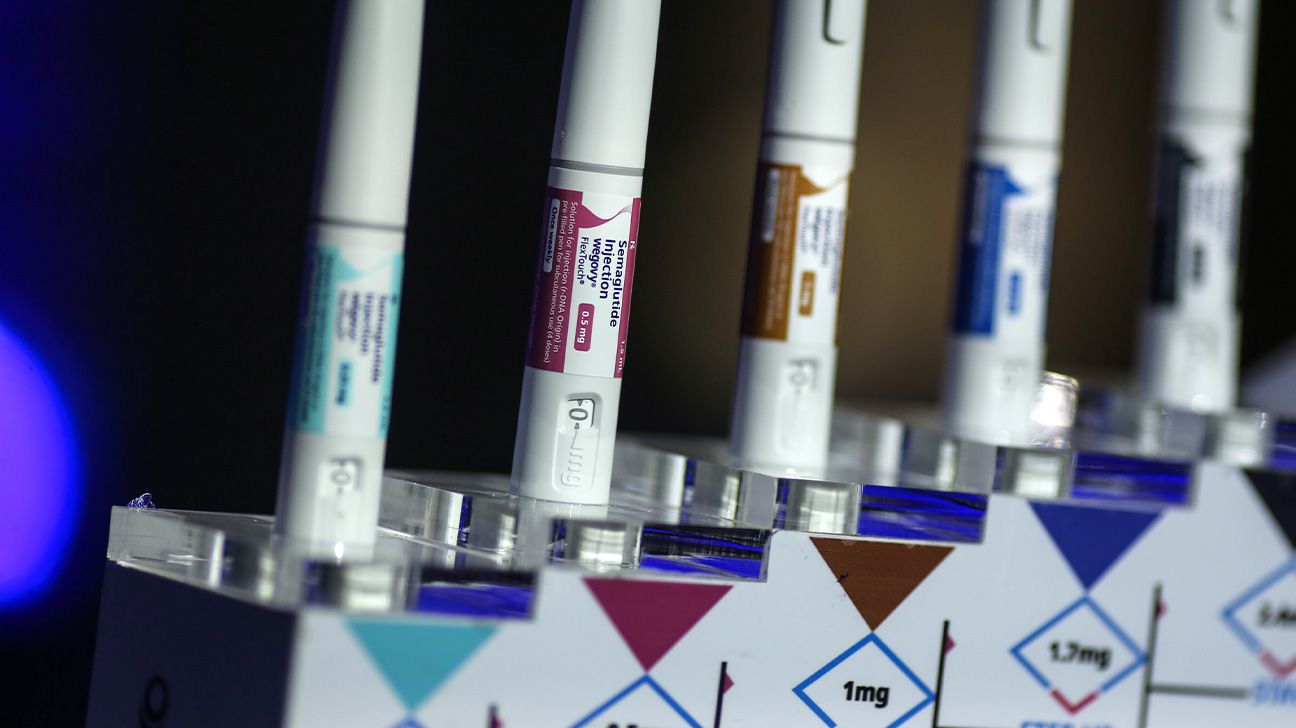
- The FDA has approved a higher dose version of the GLP-1 drug Wegovy for weight loss.
- The new dose is 7.2 milligrams per weekly injection, compared to the original 2.4 milligrams per week.
- A higher Wegovy dose could lead to greater weight loss, but it could come with side effects.
The Food and Drug Administration (FDA) approved a new, higher dose version of the weight loss drug Wegovy on March 19.
This new version, called Wegovy HD, will have a dosage of 7.2 milligrams, administered weekly by injection. Before the higher dose was approved, the weekly shot was 2.4 milligrams.
Novo Nordisk developed the higher dose because, while the 2.4 mg shot has been effective, “some individuals do not reach their therapeutic goals” at that dose, according to a
The FDA approved the higher dose version of the GLP-1 medication just 54 days after filing. It represented the fourth approval under the
“The new FDA is moving with unprecedented efficiency on products that advance national priorities,” said FDA Commissioner
During the
The FDA stated that the higher dose of Wegovy was supported by clinical data showing a safety profile consistent with the known side effects of semaglutide.
“I’m cautiously optimistic,” said Meghan Garcia-Webb, MD, triple board certified in internal medicine, lifestyle medicine, and obesity medicine. Garcia-Webb wasn’t involved in the trial.
“This has already been approved in the E.U. and the U.K. Overall, the safety data showed that serious adverse events were actually a little bit lower for the 7.2 mg group, but as always, we will have to see how this plays out in real clinical practice,” she told Healthline.
The most common side effects of Wegovy include gastrointestinal effects, such as:
- nausea
- diarrhea
- constipation
- vomiting
- abdominal pain
Reports of altered skin sensations, such as sensitivity, pain, or burning, occurred more frequently at higher doses of Wegovy.
However, these side effects generally resolve on their own or with a dose reduction.
“Many times patients will have a flare-up of side effects when they increase a dose that subsequently improves over the following weeks to months,” said Garcia-Webb.
Recent research found that there may be a higher risk of ischemic optic neuropathy (ION), or “eye stroke,” with higher doses of Wegovy, especially in males.
ION can cause sudden vision loss or blindness.
This higher risk may be due in part to the higher dose, which leads to greater systemic exposure and faster weight loss. This may affect the blood flow to the optic nerve.
“There’s still a lot of research to be done related to the risk of NAION and semaglutide. It is wise to be especially cautious for patients who would be taking the highest dose,” said Garcia-Webb.
“I always counsel patients to make sure their ophthalmologist is OK with them taking semaglutide if they have any pre-existing eye conditions,” she added.
The FDA’s database relies on voluntary reporting. This means the numbers do not reflect how often the problem actually occurs.
Still, the clear pattern seen with Wegovy and the higher risk in males suggests that doctors should monitor patients carefully, especially those receiving the higher doses for obesity.
Wegovy lists the following as the most common side effects:
- nausea, upset stomach, or vomiting
- diarrhea or constipation
- headache or dizziness
- stomach pain
- fatigue
- feeling bloated, belching, or having gas
- heartburn
- runny nose or sore throat
- low blood sugar in those with type 2 diabetes
These side effects are generally mild.
You should discuss any side effects that bother you or that don’t go away with your healthcare professional.
Other factors to consider include the cost and the long-term use of the medication, which may be required to maintain weight loss and other health benefits.