Key takeaways
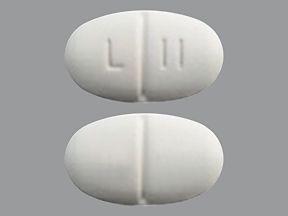
- Metformin is a generic prescription medication used to help manage blood sugar levels in adults and some children with type 2 diabetes. It works by decreasing sugar production in the liver, reducing sugar absorption from food, and improving the body’s insulin sensitivity.
- Although metformin is not approved for weight loss, some people may experience weight loss as a side effect of the drug. Your doctor may choose to use metformin off-label for weight loss in certain situations.
Metformin is approved to help manage blood sugar levels in people with type 2 diabetes. Specifically, it can be used in adults and some children with this condition.
Metformin is used with a balanced, nutritious diet and exercise routine.
To learn more about metformin’s uses, see the “Uses for metformin” section.
Metformin has a boxed warning. A boxed warning is the most serious warning from the Food and Drug Administration (FDA). For details, see the “Metformin precautions” section.
Metformin oral tablet basics
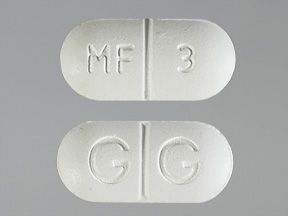
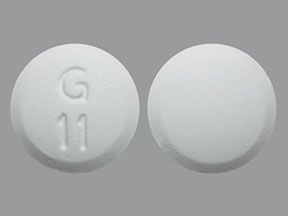
Metformin is classified as a biguanide.
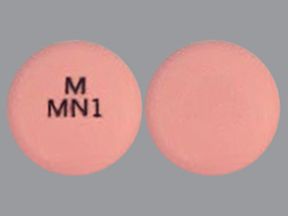
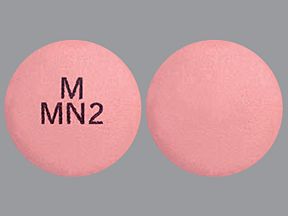
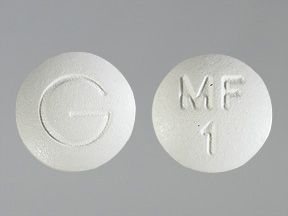
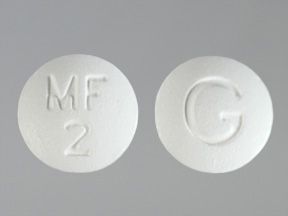
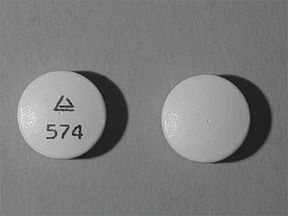
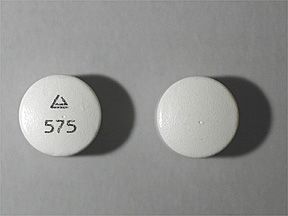
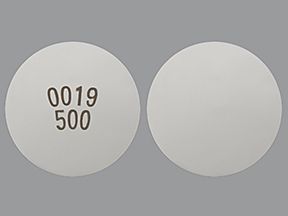
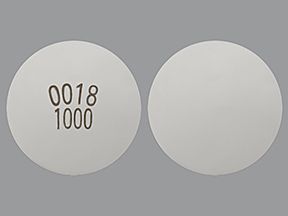
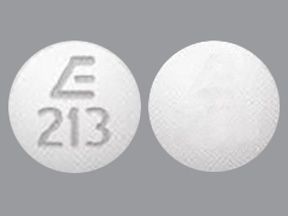
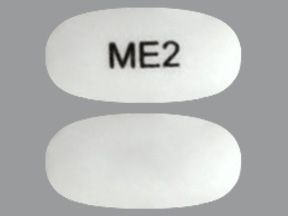
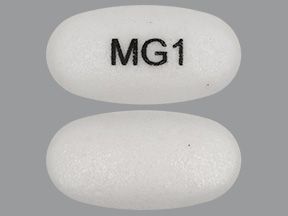
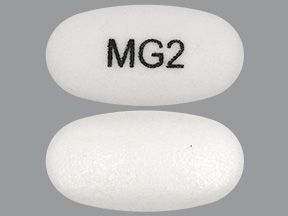
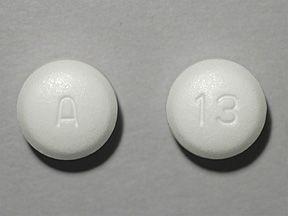
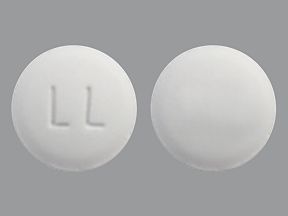
It is available as an immediate-release (IR) oral tablet and extended-release (ER) oral tablet. “Immediate release” means the drug is released into your body right away. “Extended release” means the drug is slowly released into your body over a long period of time.
Read on to learn more about metformin’s side effects, how it’s taken, and more.
Note: Metformin also comes in an oral solution. But only the oral tablet form is described in this article. If you’d like to learn about metformin’s other forms, talk with your doctor or pharmacist.
Metformin oral tablet brand-name versions
Metformin oral tablet is a generic drug, which means it’s an exact copy of the active drug in a brand-name medication. Metformin immediate-release oral tablet is not available as a brand-name drug. Metformin extended-release oral tablet is available as the brand-name drug Glumetza.
Generic drugs are thought to be as safe and effective as the brand-name drug they’re based on. In general, generics usually cost less than brand-name drugs.
If you’d like to know more about using Glumetza instead of metformin extended-release oral tablet, talk with your doctor. Learn more about the differences between generic and brand-name drugs.
Note: The other forms of metformin are available as different brand-name drugs. To learn more about these versions, talk with your doctor or pharmacist.
Like most drugs, metformin oral tablets may cause mild or serious side effects. The following lists describe some of the more common side effects this drug may cause. These lists don’t include all possible side effects.
Keep in mind that side effects of a drug can depend on:
- your age
- other health conditions you have
- other medications you may be taking
Your doctor or pharmacist can tell you more about the potential side effects of metformin oral tablets. They can also suggest ways to help reduce side effects.
Note: After the Food and Drug Administration (FDA) approves a drug, it tracks and reviews side effects of the medication. Sharing your experience helps make medications safer for everyone by giving doctors and researchers more information about how the drug works in real life. If you develop a side effect while taking meformin and want to tell the FDA about it, visit MedWatch or call 800-FDA-1088.
Mild side effects
Here are some of the mild side effects metformin oral tablets can cause. To learn about other mild side effects, talk with your doctor or pharmacist, or read the prescribing information for metformin IR oral tablet and metformin ER oral tablet.
Mild side effects of metformin oral tablets that have been reported include:
- diarrhea
- nausea or vomiting
- gas
- indigestion
- abdominal discomfort
- headache
- weight loss
Mild side effects of many drugs may go away within a few days or a couple of weeks. But if they become bothersome, talk with your doctor or pharmacist.
Serious side effects
Serious side effects from metformin oral tablets can occur, but they aren’t common. If you have serious side effects from metformin oral tablets, call your doctor right away. However, if you think you’re having a medical emergency, you should call 911 or your local emergency number.
Serious side effects of metformin oral tablets that have been reported include:
- low vitamin B12 level
- hypoglycemia (low blood sugar level)
- boxed warning: lactic acidosis
How long side effects last
The length of time that your side effects from metformin will last depends on which side effects you’re having. For example, diarrhea may occur when you first start taking this drug. But over time, this side effect may go away.
Other side effects, such as a low vitamin B12 level, may remain for however long you’re taking metformin.
If you’re having side effects from metformin oral tablets, tell your doctor. They’ll be able to help you determine how long the side effects may last. They may also be able to suggest ways to decrease your side effects.
Allergic reactionSome people may have an allergic reaction to metformin oral tablets.
Symptoms of a mild allergic reaction can include:
- skin rash
- itchiness
- flushing (temporary warmth, redness, or deepening of skin color)
A more severe allergic reaction is rare but possible. Symptoms of a severe allergic reaction can include swelling under your skin, typically in your eyelids, lips, hands, or feet. They can also include swelling of your tongue, mouth, or throat, which can cause difficulty breathing.
Call your doctor right away if you have an allergic reaction to metformin oral tablets. But if you think you’re having a medical emergency, call 911 or your local emergency number.
At this time, metformin is not approved to be used for weight loss. But even though it’s not approved for weight loss, metformin may help some people to lose weight. In fact, weight loss is a possible side effect of this drug.
It’s not known exactly how metformin use may lead to weight loss. But metformin shouldn’t cause weight gain.
There’s no recommended dosage of metformin for weight loss because the drug is not approved for this use.
If you have any questions about metformin and weight loss, talk with your doctor.
If you have type 2 diabetes, your doctor may recommend that you take metformin. It’s a prescription drug that can be used in adults and some children with this condition.
With type 2 diabetes, your body can’t regulate your blood sugar levels like usual.
Normally, your body regulates your blood sugar level by releasing insulin. Insulin is a hormone that helps your body use sugar as energy. But people with type 2 diabetes may not make enough insulin, or they may have insulin resistance. (With insulin resistance, your body doesn’t respond as well as usual to insulin.) So the hormone doesn’t work like it should, resulting in increased blood sugar levels.
Metformin works to treat type 2 diabetes by helping to lower your blood sugar levels. For more details about how it works, see the “What are some frequently asked questions about metformin?” section.
You should use metformin together with a balanced, nutritious diet and exercise routine. This way, the drug will have a better effect on your blood sugar levels.
In some cases, metformin may be used to treat prediabetes. With prediabetes, your blood sugar level is higher than normal, but it’s not high enough to be considered diabetes. Prediabetes can be a sign that you’re going to develop diabetes. Managing prediabetes is an off-label use of metformin oral tablets. (With off-label use, a drug is given for a condition other than what it’s approved to treat.)
If you have questions about how metformin is used, talk with your doctor or pharmacist.
Expert Q&AQuestion: How does exercise affect blood sugar levels and insulin sensitivity?
Exercise increases uptake of glucose by your muscles and liver so that your body can use it for energy. Your body then takes glucose from your blood to rebuild these stores, thereby lowering blood sugar.
Exercise also makes your body more sensitive to insulin, so you will need less insulin during and after activity.
The following information describes dosages that are commonly used or recommended. However, be sure to take the dosage your doctor prescribes for you. Your doctor will determine the best dosage to fit your needs.
Forms and strengths
Metformin is available as an immediate-release (IR) oral tablet and extended-release (ER) oral tablet.
Metformin IR oral tablets are available in three strengths:
- 500 milligram (mg)
- 850 mg
- 1,000 mg
Metformin ER oral tablets are available in three strengths:
- 500 mg
- 750 mg
- 1,000 mg
Recommended dosage
The dosage of metformin oral tablets your doctor prescribes for you will depend on the type of tablets you’re taking. In the following section, we describe typical dosages for metformin IR oral tablets and ER oral tablets.
Dosage of metformin IR oral tablets
The lowest recommended dosage of metformin IR oral tablets is a starting dosage of 500 mg taken twice daily with a meal. In some cases, your doctor may recommend a starting dosage of 850 mg taken once daily with a meal.
Your doctor may recommend increasing your dosage every week. If you’re taking more than 2,000 mg of metformin each day, your doctor may recommend that you divide the doses and take the medication three times each day.
The maximum recommended dose of metformin IR oral tablets is 2,550 mg daily.
Here is a sample dosage chart for immediate-release metformin oral tablet. But your dosage may depend on how well your blood sugar level is managed with this drug. Always follow the dosage that your doctor prescribes for you.
| Week of treatment | Morning dose | Evening dose |
|---|---|---|
| week 1 | 500 mg | 500 mg |
| week 2 | 1,000 mg | 500 mg |
| week 3 | 1,000 mg | 1,000 mg |
| week 4 | 1,500 mg | 1,000 mg |
Dosage of metformin ER oral tablets
The recommended starting dosage of metformin ER oral tablets is 500 mg taken once daily, with your evening meal. Your doctor may increase your dosage by 500 mg every week or 2 weeks.
The maximum recommended dose of metformin ER oral tablets is 2,000 mg once daily.
Here is a sample dosage chart for extended-release metformin oral tablet. But your dosage may depend on how well your blood sugar level is managed. Always follow the dosage that your doctor prescribes for you.
| Week of treatment | Evening dose |
|---|---|
| week 1 | 500 mg |
| week 2 | 1,000 mg |
| week 3 | 1,500 mg |
| week 4 | 2,000 mg |
When to take metformin oral tablet
When you’ll take metformin oral tablets depends on which form of the medication you’re taking. For instance, if you’re taking:
- metformin IR oral tablets, you should take them twice daily with meals. Some people prefer to take their dose with breakfast and dinner.
- metformin ER oral tablets, you only need to take them once each day. And you should take your dose with your evening meal.
Taking metformin at night
If you’re taking metformin ER oral tablets, you should take your dose once daily at night, with your last meal of the day. Doing so allows the drug to work properly in reducing your blood sugar level.
If you have any questions about the best time of day to take metformin, talk with your doctor or pharmacist.
Questions about metformin oral tablet’s dosage
Here are some common questions about metformin oral tablet’s dosage.
- Can metformin oral tablets be chewed, crushed, or split? You may crush or split metformin IR oral tablets. But you should never break, crush, or chew metformin ER oral tablets. This is because breaking, crushing, or chewing the tablets changes the way they work in your body. If you’re having difficulty swallowing the tablets, talk with your doctor. They may recommend taking a different medication or using the liquid form of metformin that’s taken by mouth.
- Should I take metformin oral tablets with food? Yes, you should take your doses of metformin oral tablets with food. The IR form is taken twice daily with meals, and the ER form is taken once daily with your evening meal.
- What if I miss a dose of metformin oral tablets? If you miss a dose of metformin oral tablets, skip the missed dose. Then, take your next dose on your usual schedule. Never take two doses at once to make up for a missed dose.
- Will I need to use metformin oral tablets long term? If metformin oral tablets work for you, you’ll likely take them long term.
- How long do metformin oral tablets take to work? Metformin oral tablets begin working as soon as you take them. It takes longer to begin working than injectable drugs because it’s taken by mouth. So if you need to lower your blood sugar level quickly, your doctor may recommend that you use a fast-acting insulin drug. For more information about this, talk with your doctor.
Taking metformin oral tablet with other drugs
Sometimes, taking just one medication isn’t enough to treat type 2 diabetes.
Your doctor may start you out with metformin. But if it’s not managing your blood sugar levels well enough, your doctor may recommend that you take other diabetes medications together with metformin.
Examples of other medications your doctor may recommend that you take with metformin include:
- empagliflozin (Jardiance)
- dulaglutide (Trulicity)
- dapagliflozin (Farxiga)
- sitagliptin (Januvia)
- glipizide (Glucotrol)
- glyburide (DiaBeta)
- glimepiride (Amaryl)
- insulin, such as insulin glargine (Lantus) or insulin lispro (Humalog)
If you have questions about taking other medications along with metformin, talk with your doctor or pharmacist.
Overdose
Do not take more metformin than your doctor prescribes, as this can lead to harmful effects.
Symptoms caused by an overdose can include:
- severe hypoglycemia (low blood sugar level)
- lactic acidosis (buildup of lactic acid in your blood), which may cause:
- muscle pain
- trouble breathing
- sleepiness
What to do in case you take too much metformin oral tablet
Call your doctor if you think you’ve taken too much metformin. You can also call 800-222-1222 to reach America’s Poison Centers or use its online resource. But if you have severe symptoms, immediately call 911 or your local emergency number. Or go to the nearest emergency room.
Find answers to some commonly asked questions about metformin oral tablet.
Is metformin used for PCOS or fertility problems? If so, what’s the dosage?
Metformin is not approved to treat polycystic ovary syndrome (PCOS) or fertility problems.
PCOS is a hormone condition that can occur in females. It may cause irregular periods and also lead to fertility problems. Additionally, with PCOS, you can have insulin resistance (a condition in which your body doesn’t respond to insulin like usual). Insulin resistance can contribute to certain symptoms of PCOS, such as weight gain.
In some cases, metformin is used off-label to treat PCOS or help with fertility problems. (With off-label use, a drug is used for a condition other than what it’s approved to treat.)
The drug can reduce insulin resistance so that your body can use insulin properly. This can lower your blood sugar level. And in people with PCOS, normal menstrual cycles may occur, decreasing fertility issues.
Because metformin is not approved to treat PCOS or fertility problems, there’s no approved dosage of the drug for these purposes.
If you’re interested in taking metformin to treat PCOS or fertility problems, talk with your doctor. They may discuss this treatment option with you and recommend a proper dose.
Note: The use of binary terms such as “male” and “female” or “men” and “women” in this article reflects the language of the sources we’ve used. Unless otherwise noted, it’s unclear whether the research we reference included participants with expansive gender identities.
How does metformin work? And how long does it stay in your system?
Metformin works to treat type 2 diabetes in certain people. With type 2 diabetes, your body can’t regulate your blood sugar level like usual.
Normally, your body regulates your blood sugar level by releasing insulin. Insulin is a hormone that helps your body use sugar as energy. But people with type 2 diabetes may not make enough insulin, or they may have insulin resistance. (With insulin resistance, your body doesn’t respond as well as usual to insulin.) So the hormone doesn’t work like it should, resulting in increased blood sugar levels.
Metformin works in these ways to treat type 2 diabetes:
- decreases blood sugar that’s made by your liver
- decreases your body’s absorption of sugar from your food
- makes your body more sensitive to insulin, so that the hormone works better to decrease your blood sugar level
How long a drug stays in your system is related to the drug’s half-life. The half-life of a drug tells how long it takes for your body to get rid of half of a dose of the drug.
The half-life of metformin is about 6 hours and 12 minutes. So after this length of time, your body has cleared half of a dose of the drug. In general, it takes about four to five half-lives for your body to clear the drug.
Studies show that your body gets rid of about 90% of a dose of metformin through your kidneys within 24 hours of taking it. This is why it is important to take metformin doses every day.
Does metformin increase the risk of cancer?
No, metformin isn’t known to increase your risk of developing cancer.
But recently, the FDA recalled some metformin tablets because the tablets contained unsafe levels of a chemical called N-nitrosodimethylamine (NDMA). This chemical is a carcinogen, which means it can increase the risk of cancer.
The most updated list of recalled metformin products is available through the
Taking metformin tablets that contain levels of NDMA that are over the safe limit may increase the risk of cancer. But taking FDA-approved metformin tablets that were not part of the recall does not increase your risk of cancer.
In fact, metformin is currently being tested as part of a treatment regimen for breast cancer and prostate cancer. But at this time, it’s not known if metformin may have a role in cancer treatment.
Are metformin’s side effects in males different than its side effects in females?
In most cases, side effects are similar in both females and males taking metformin.
A study was done to compare the side effects of metformin reported by females with those reported by males. The study showed that females had side effects more often than males. But both groups reported the same most common side effects.
In this study, the most common side effects reported by both males and females were:
If you have questions about side effects you’re having with metformin, talk with your doctor or pharmacist.
Note: The use of binary terms such as “male” and “female” or “men” and “women” in this article reflects the language of the sources we’ve used. Unless otherwise noted, it’s unclear whether the research we reference included participants with expansive gender identities.
Is metformin used in antiaging therapy?
No, at this time, metformin is not approved for antiaging therapy. It’s possible that the drug may help manage diseases related to aging. But it’s not known how well, if at all, the drug may work for antiaging.
Metformin is being
If you’d like to know more about antiaging treatments, talk with your doctor.
Taking medications, vaccines, foods, and other things with a certain drug can affect how the drug works. These effects are called interactions.
Before taking metformin oral tablet, be sure to tell your doctor about all medications you take, including prescription and over-the-counter types. Also describe any vitamins, herbs, or supplements you use. Your doctor or pharmacist can tell you about any interactions these items may cause with metformin oral tablets.
Interactions with drugs or supplements
Metformin oral tablets can interact with several types of drugs. These drugs include:
- other diabetes medications that lower your blood sugar level, such as insulin
- the cholesterol supplement nicotinic acid
- certain seizure drugs, including topiramate or phenytoin
- the heartburn drug cimetidine
- certain antipsychotic drugs, such as chlorpromazine
- some hormone medications, including birth control pills
- certain blood pressure medications, such as hydrochlorothiazide
- steroid medications, such as prednisone
- thyroid medications, including levothyroxine
- the tuberculosis medication isoniazid
- the HIV medication dolutegravir
This list does not contain all types of drugs that may interact with metformin oral tablets. Your doctor or pharmacist can tell you more about these interactions and any others that may occur with use of metformin oral tablets.
Other interactions
You don’t need to avoid any foods while you’re taking metformin oral tablets. This includes grapefruit, which should be avoided when you’re taking certain other drugs.
This section describes the warnings and precautions for metformin.
Boxed warning
Metformin oral tablets have a boxed warning for lactic acidosis. A boxed warning is a serious warning from the Food and Drug Administration (FDA).
Some people taking metformin have had lactic acidosis. Lactic acidosis can occur if your body can’t get rid of lactic acid quickly enough. With this condition, there’s a buildup of lactic acid in your blood.
Although rare, this side effect is possible with metformin oral tablets. And it can be serious or even life threatening.
You should be aware of the symptoms of lactic acidosis. This way, you can get treatment right away if you develop symptoms of the condition. Symptoms to watch out for include:
- muscle pain
- difficulty breathing
- sleepiness
- belly pain
What might help
If you develop any symptoms of lactic acidosis, tell your doctor right away. You’ll likely need to go to the hospital for treatment for lactic acidosis.
Also, be sure to talk with your doctor about your risk of having lactic acidosis before starting metformin. Sometimes, other medical conditions or medications can increase your risk of developing lactic acidosis.
For example, you may have an increased risk of lactic acidosis if you:
- have kidney or liver problems
- are ages 65 years or older
- are receiving contrast dye for CT scans or X-rays
- are having surgery
- have congestive heart failure
- drink large amounts of alcohol
- take certain medications, such as topiramate (Topamax)
Talk with your doctor about your risk of lactic acidosis. They’ll likely recommend that you monitor for symptoms and get medical help right away if symptoms develop. If you have certain conditions that may increase your risk of lactic acidosis, your doctor may recommend a medication other than metformin for you.
If you have more questions about metformin and lactic acidosis, talk with your doctor or pharmacist.
Other precautions
Metformin oral tablet may not be right for you if you have certain medical conditions or other factors that affect your health. Talk with your doctor about your health history before you take metformin oral tablet. Factors to consider include those in the list as follows.
- Kidney problems: If you have kidney problems, your doctor may recommend a medication other than metformin oral tablets for you. Taking metformin when you have kidney problems can increase your risk of lactic acidosis. (See the “Boxed warning” section earlier for information about lactic acidosis.) Metformin has a contraindication against its use in people with severe kidney problems. This means that the drug should never be used by this group of people. If you have kidney problems, talk with your doctor before taking metformin.
- Allergic reaction: If you’ve had an allergic reaction to metformin oral tablets or any of their ingredients, you should not take the drug. Ask your doctor what other medications are better options for you.
- Liver problems: If you have liver problems, your doctor may prescribe a medication other than metformin oral tablets for you. This is because liver problems can increase your risk of lactic acidosis. If you have liver problems, talk with your doctor about treatment options that are safe for you.
- Heart problems: If you have certain heart problems, such as congestive heart failure, tell your doctor before starting metformin oral tablets. These conditions may increase your risk of lactic acidosis. If you have any problems with your heart, talk with your doctor before starting metformin.
- Diabetic ketoacidosis: You should not use metformin if you have a complication of diabetes called diabetic ketoacidosis (DKA). In fact, metformin has a contraindication against its use in people with DKA. This means that the drug should never be used in people with DKA or other forms of acidosis.
- Upcoming surgery or certain imaging tests: If you have an upcoming surgery or a certain imaging test that uses contrast dye, tell your doctor if you’re taking metformin oral tablets. They may recommend that you stop taking metformin for a few days prior to your surgery or procedure.
- Type 1 diabetes: Metformin should not be used to treat type 1 diabetes. Instead, it’s used to treat type 2 diabetes. If you have type 1 diabetes, talk with your doctor about treatment options that are right for your condition.
Use with alcohol
You should not drink alcohol if you’re taking metformin. Alcohol increases your risk of developing lactic acidosis with metformin. In fact, metformin oral tablets have a boxed warning for lactic acidosis. (A boxed warning is a serious warning from the Food and Drug Administration.)
Lactic acidosis can occur if your body can’t get rid of lactic acid quickly enough. With this condition, there’s a buildup of lactic acid in your blood. Lactic acidosis can be serious or even life threatening.
Also, if you drink sugary alcoholic drinks, your blood sugar level may increase. And keep in mind that metformin is used to help lower your blood sugar level.
The following is important information to consider and discuss with your doctor or pharmacist before taking metformin.
Pregnancy
It’s not known whether metformin is safe to take during pregnancy. If you’re planning a pregnancy or can become pregnant, talk with your doctor before taking this drug.
Breastfeeding
It’s not known whether metformin should be taken while breastfeeding. If you’re currently breastfeeding or planning to do so, talk with your doctor before taking this drug.
Whether you have health insurance or not, cost may be a factor when you’re considering metformin. What you’ll pay for metformin may depend on several things, such as your treatment plan and the pharmacy you use.
Here are a few things to consider regarding cost:
- Cost information and savings coupons: You can visit Optum Perks for price estimates of x drug. These estimates are based on the use of Optum Perks coupons. Note: Optum Perks coupons cannot be used with insurance copays or benefits.
- Financial assistance: Medicine Assistance Tool and NeedyMeds are two websites that provide resources to help reduce the cost of metformin oral tablets.
Other drugs are available that can treat your condition. If you’d like to explore an alternative to metformin, talk with your doctor. They can tell you about other medications that might work well for you.
Examples of other drugs taken by mouth that can be used for type 2 diabetes include:
- sitagliptin (Januvia)
- linagliptin (Tradjenta)
- canagliflozin (Invokana)
- dapagliflozin (Farxiga)
- pioglitazone (Actos)
- glimepiride (Amaryl)
- glipizide (Glucotrol)
Examples of drugs given by injection that can be used for type 2 diabetes include:
- dulaglutide (Trulicity)
- semaglutide (Ozempic)
- insulin lispro (Humalog)
- insulin aspart (Novolog)
- insulin glargine (Lantus)
Additionally, some natural supplements may be
It’s not known how well supplements may work to treat diabetes, if at all. Examples of some supplements that may be used for diabetes include:
Before starting any supplements, be sure to talk with your doctor or pharmacist. Although supplements are available over the counter, they may interact with your prescription medications. So always check with your doctor before taking one.
If you’re interested in using a treatment for type 2 diabetes other than metformin, talk with your doctor.
Disclaimer: Healthline has made every effort to make certain that all information is factually correct, comprehensive, and up to date. However, this article should not be used as a substitute for the knowledge and expertise of a licensed healthcare professional. You should always consult your doctor or other healthcare professional before taking any medication. The drug information contained herein is subject to change and is not intended to cover all possible uses, directions, precautions, warnings, drug interactions, allergic reactions, or adverse effects. The absence of warnings or other information for a given drug does not indicate that the drug or drug combination is safe, effective, or appropriate for all patients or all specific uses.